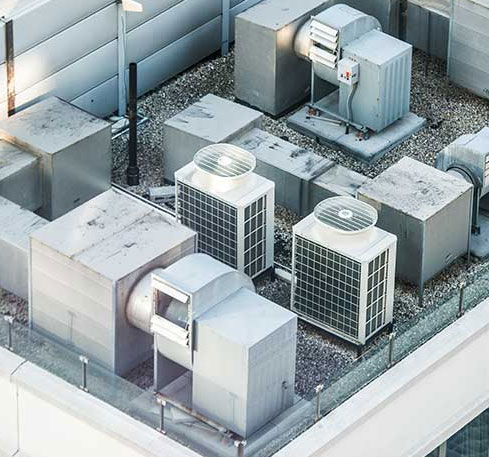
Understanding HVAC System Efficiency
Understanding HVAC System Efficiency
Energy efficiency is crucial for both cost savings and environmental sustainability. In this comprehensive guide, we'll explore the key factors that affect HVAC system efficiency and how you can optimize your system's performance.
Why Efficiency Matters
HVAC systems account for a significant portion of a building's energy consumption. By improving efficiency, you can:
- Reduce energy costs by up to 30%
- Extend equipment lifespan
- Improve indoor air quality
- Reduce environmental impact
Key Factors Affecting Efficiency
1. Proper Sizing
An oversized or undersized HVAC system will operate inefficiently. Professional load calculations ensure your system is properly sized for your space.
2. Regular Maintenance
Regular maintenance is essential for optimal performance. This includes:
- Filter replacement
- Coil cleaning
- Duct inspection
- Refrigerant level checks
3. Smart Controls
Modern programmable thermostats and building automation systems can significantly improve efficiency by optimizing operation schedules.
Best Practices
-
Schedule Regular Maintenance: Annual maintenance contracts ensure your system operates at peak efficiency.
-
Upgrade to Energy-Efficient Equipment: Modern systems offer significantly better efficiency ratings.
-
Improve Building Envelope: Better insulation and sealing reduce the load on your HVAC system.
-
Use Zoning: Zoned systems allow you to condition only occupied areas, reducing energy waste.
Conclusion
Investing in HVAC efficiency pays dividends in reduced costs, improved comfort, and environmental benefits. Contact Teamglobal Aircon for a comprehensive efficiency assessment of your system.